Sydney’s annual “Hamper Hunt” charity auction taught me a brutal lesson: the priciest basket isn’t always the most impressive. One bidder paid $890 for a velvet-lined tower that contained—wait for it—three mini jars of jam and a lonely bottle of prosecco. Meanwhile, a $220 hamper quietly overflowed with truffle salami, single-origin chocolate, and a cult-status Shiraz. The room gasped louder at the second reveal than the first. If you’re wondering how to compare luxury gift hampers Australia prices and avoid the jam-jar heartbreak, you’re in the right spot. Below, we’ll unpack the smart way to judge value, spot sneaky mark-ups, and still finish with a gift that feels like a million bucks—even if you only spent a couple of hundred.
Why “Luxury” Pricing in Australia Feels Like a Game of Whac-A-Mole
Australia’s hamper market is booming; Deloitte reckons premium gifting grew 18 % last year alone. More players mean more choice, but also more smoke and mirrors. A label might scream “hand-crafted native botanicals” when the contents are simply supermarket tea bags rebagged in kraft paper. Add currency fluctuations, domestic freight surcharges, and the fact that macadamias somehow cost more than truffles, and suddenly comparing prices feels like comparing pineapples to pavlovas. The trick is to separate the perceived luxury from the provable luxury—and to remember that a higher price tag can be nothing more than a marketing placebo.
Build Your Comparison Checklist Before You Even Open a Browser Tab
Identify the True Contents, Not the Flowery Adjectives
Flip the product description inside out. Instead of “artisanal shortbread,” look for grams, cocoa percentage, and brand names you can cross-check. If the listing won’t specify, email the retailer—anyone selling genuine luxury won’t be shy. Once you have a line-by-line list, you can google each item’s retail price in under five minutes. You’ll quickly see whether the hamper is giving you a 15 % bundle discount or a 40 % bouquet of hot air.
Tally the Hidden Costs That Nibble at Value
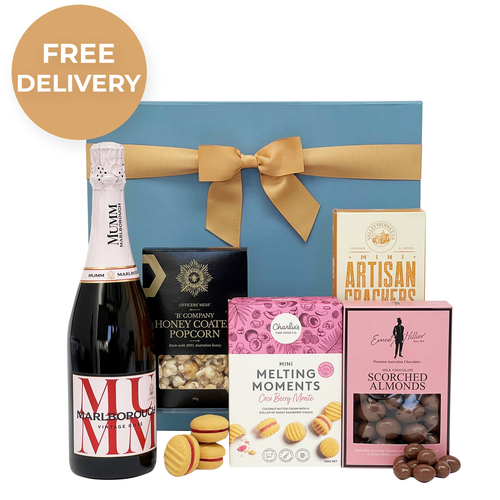
Gift hampers Australia-wide often advertise “free delivery,” but the fine print reveals a $19 surcharge for regional postcodes or a mandatory $15 “luxury handling fee.” Add those to the headline price before you compare. GST is usually included, but express Christmas shipping or Saturday delivery can quietly shove the final figure north. Write the landed cost in bold on your spreadsheet; it’s the only number that matters when budgets are tight.
Standardise the Per-Gram and Per-Item Metrics
A $300 hamper with 20 items sounds reasonable—until you discover eight of them are 25 g packets of almonds. Break each product down to dollars per 100 g or per 100 ml. A $65 bottle of 200 ml cold-pressed olive oil is $32.50 per 100 ml; at David Jones the identical brand retails for $18 per 100 ml. Suddenly the “luxury” markup sits at 80 %. Yes, you’re allowed to laugh (or cry) at this point.
Leverage Seasonal Windows When Prices Do the Limbo
Hamper retailers hate dead stock more than kangaroos hate utes. Mid-January, late April, and the first two weeks of August are notorious “quiet zones.” Sign up for newsletters in late December; many Australian companies send secret 25 % off codes within 72 hours of Boxing Day. Mother’s Day and Father’s Day create the opposite spike—order six weeks early to avoid the 30 % “procrastination tax.” And remember, chocolate melts in the Queensland mail in November; your bargain could arrive as a modern-art blob if you chase the cheapest freight instead of insulated transit.
Use Tech Tools That Save Legwork (and Marriages)
Google Shopping is useful, but it misses boutique providores. Try these instead:
- Price Hipster’s “Hamper” filter – tracks historic pricing across 40+ Aussie stores and pings you when your chosen basket drops 10 %. Keepa browser plug-in – yes, it’s for Amazon, but many Sydney hamper companies also list there; the price-history graph reveals sneaky pre-Christmas hikes. Shopfully app – set your postcode, punch in “gift hampers Australia,” and watch local providores compete; geo-targeted coupons often pop up at checkout.
Rhetorical question time: if a spreadsheet can do the heavy lifting while you sip a flat white, why play guessing games with your hard-earned?
Decode the Psychology Behind “Limited Edition” Baskets
Scarcity sells. Retailers know that ticking countdown timer sparks FOMO faster than a toddler drops a cake. Ask yourself: is the hamper actually limited, or is it the same goodies in a different coloured box? Compare last year’s “Limited Edition” SKU—if it’s still available under a new name, the only thing limited is the retailer’s creativity. Genuine limited runs usually involve collaborations with small wineries or distilleries; check the volume of tagged Instagram posts. If only 300 posts exist for a so-called nationwide release, the laws of maths suggest the run really is tiny.
One Quick Anecdote to Keep Your Feet on the Ground
My cousin once bragged about snagging the “last” native botanical hamper from a flashy Melbourne start-up. Two weeks later the same company emailed a 40 % clearance code because the hamper hadn’t sold out after all. He now screenshots every “last chance” banner and sets a calendar reminder for the following fortnight. The moral? Patience isn’t just a virtue; it’s a 40 % discount in disguise.
Red Flags That Scream “Mark-Up in Disguise”
Watch for these phrases and proceed with caution (and comparison data):
- “RRP valued at over $500” without itemised proof Repacking of well-known supermarket brands into unbranded jars Inclusion of alcohol without excise documentation (often means bottom-shelf spirits in fancy sleeves) Mandatory “gift message card” at $9.95—yes, that’s a 1,900 % margin on a 50 ¢ card
As Warren Buffett probably never said about gift hampers Australia: “Price is what you pay, value is what you get… so count your damn almonds.”
Putting It All Together: A Three-Minute Comparison Ritual
Copy the hamper contents into a spreadsheet. Google each item’s standalone retail price; include shipping if bought separately. Add any retailer surcharges to the hamper price. Divide the final landed hamper cost by the summed retail cost of the contents. Anything under 0.85 suggests a genuine bundle saving; anything over 1.25 means you’re paying a quarter more for packaging and convenience. Decide if that convenience is worth it—sometimes it is, often it isn’t. ## Make the Final Choice Work for You, Not the RetailerUltimately, the best way to compare luxury gift hampers Australia prices is to treat the process like tasting wine: swirl, sniff, and spit out the marketing froth before you swallow the price. Armed with a checklist, a ruthless eye for grams, and a calendar alert for seasonal dips, you’ll stride past the velvet-rope hype and land a hamper that feels opulent on the outside yet smartly priced on the inside. So open that spreadsheet, queue the alerts, and let the retailers compete for your nod of approval—not the other way around. Happy hunting, and may your next gift arrive jam-packed with value, not just jam.